CRPP Projects
CRPP develops project pathways with strong scientific and industrial content in sustainable logistics, environmental validation, renewable energy and innovative infrastructure.
RF-Meter
72 MW
CRPP works on projects that connect science, technology, territories, intellectual property, industry and project finance.
Our method
CRPP project development is not an announcement, but a process. Each initiative is structured in phases, with attention to technical verification, economic sustainability, territorial compatibility and the construction of qualified partnerships.
Needs analysis
Identification of the infrastructure, energy, logistics or environmental problem and definition of the project perimeter.
Technical validation
Verification of data, technological assumptions, expected impacts and the requirements needed to make the project credible.
Territorial scenario
Analysis of the context, stakeholders, existing infrastructure, authorisations and local acceptance.
Economic model
Development of investment assumptions, revenues, costs, public-private partnerships and possible financial structure.
Partnership
Involvement of scientific, industrial, institutional, technological and financial actors consistent with the project objectives.
Pilot and scalability
Definition of demonstrators, prototypes, pilot routes or project vehicles to make the initiative progressively implementable.
Three project lines
CRPP operates across an integrated perimeter: infrastructure logistics, environmental validation, renewable energy and territorial development. The individual initiatives are designed to reinforce one another.
Pipe§Net and Physical Internet
Infrastructure scenarios for ports, back-port areas, interports, logistics axes, industrial areas and transport corridors, with the aim of reducing time, congestion and emissions in traditional logistics.
Albedo, RF-Meter and Data Validation
CRPP is developing an autonomous project line dedicated to high-albedo solutions, radiometric measurement and environmental data validation through a proprietary digital platform under development.
Renewable energy and infrastructure
Energy and territorial development initiatives, with attention to environmental sustainability, authorisations, local acceptance, private investment and integrable infrastructure models.
Featured projects and scenarios
CRPP initiatives are presented as development pathways, application scenarios and projects in progression. Communication remains deliberately prudent: each phase requires validation, qualified partners, authorisations and adequate financial coverage.
Pipe§Net Civitavecchia
An institutional reference scenario to analyse the application of the Pipe§Net paradigm in a complex port, back-port and logistics context. Available material supports work on territorial connections, freight flows and possible demonstration paths.
Logistics corridors and linear infrastructure
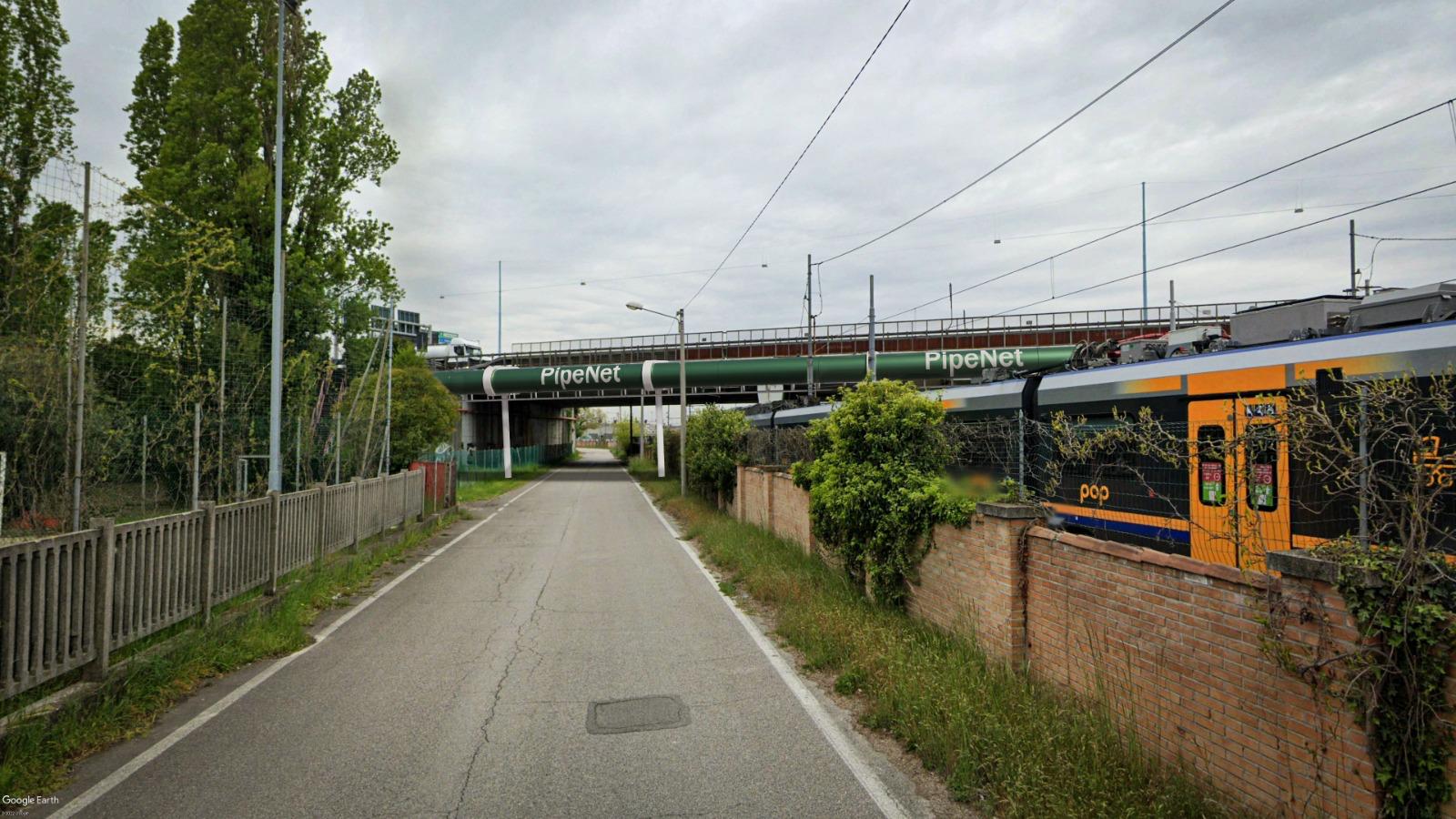
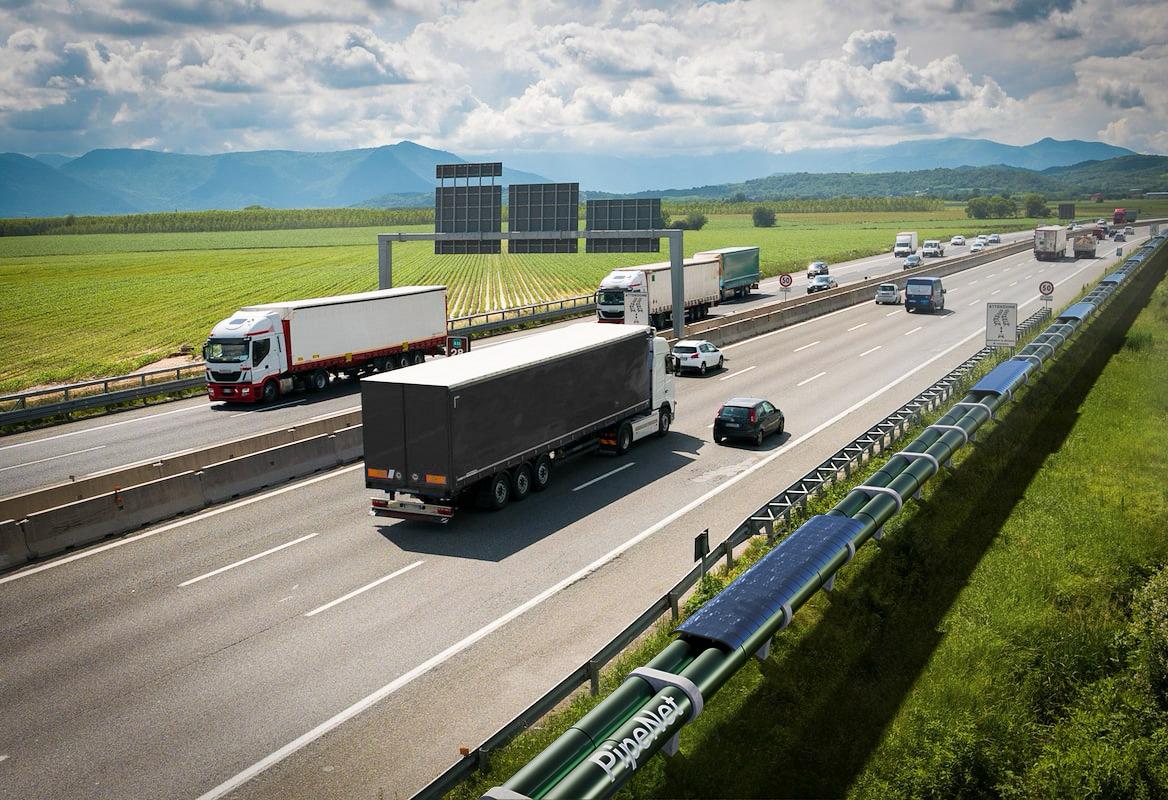
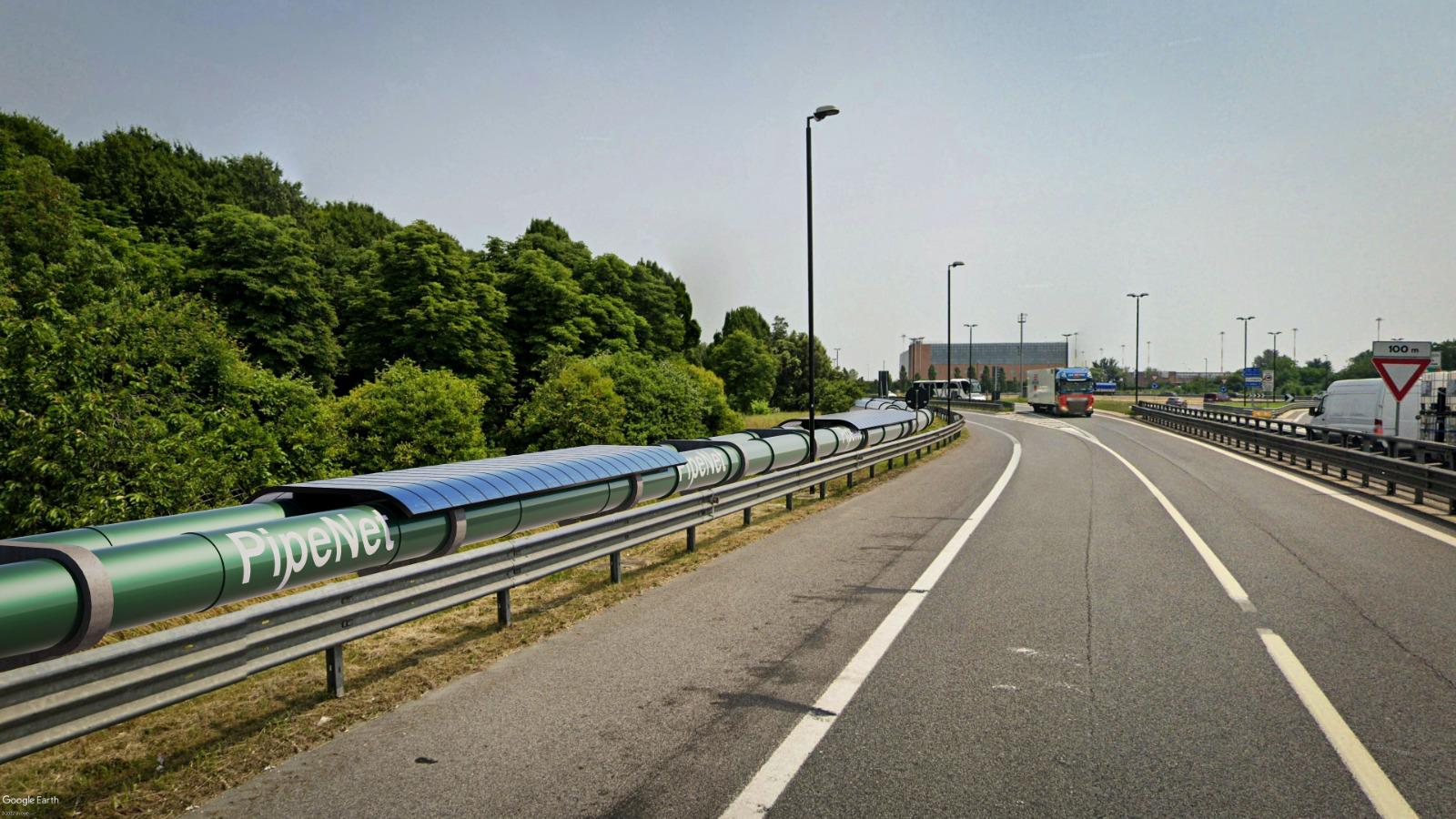
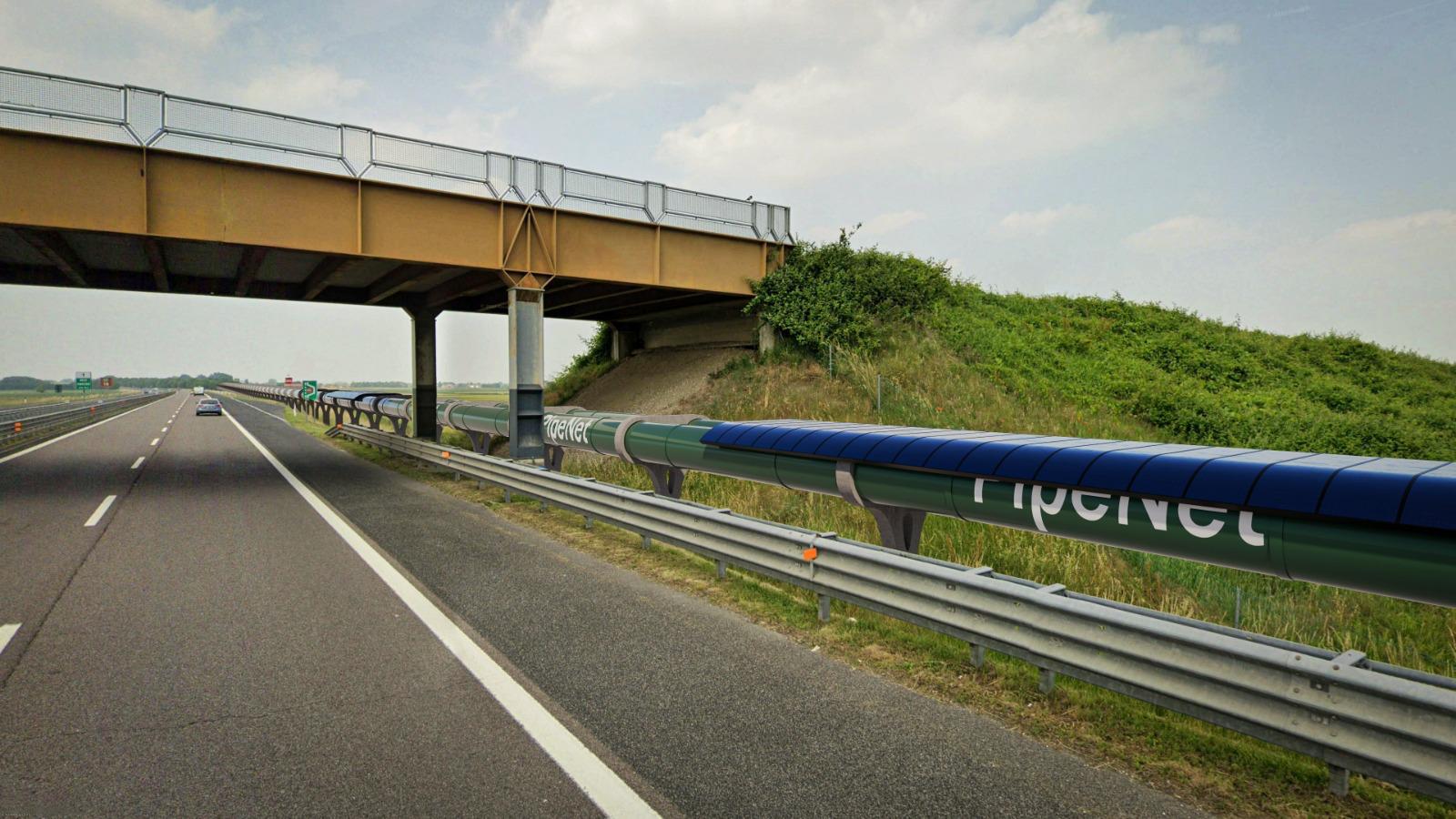
Application scenarios for integrating Pipe§Net along existing networks, motorway axes, production areas, intermodal nodes, ports and interports. The aim is to evaluate low-impact freight transport models that can be progressively scaled.
Albedo Data Validation Platform
An autonomous project line dedicated to building a CRPP platform to collect, organise, trace and make auditable data generated by high-reflectance surfaces, physical measurements, satellite data and documentary evidence.
RF-Meter
A method and system to measure radiative forcing and quantify the equivalent CO₂ offset through increased surface albedo, integrating ground measurements, satellite calibration and calculation models.
72 MW wind farm
A development-stage initiative aimed at creating a wind power plant with an overall capacity of 72 MW, based on territorial analysis, dialogue with local stakeholders, authorisation sustainability and financial structuring.
Funding calls, consortia and qualified partnerships
CRPP has gained experience in building complex project partnerships, including national and European pathways, involving scientific, industrial, technological and infrastructure actors of primary standing. Some applications and discussions have consolidated relationships, working methods and qualified groupings as a useful basis for future initiatives.
Infrastructure scenarios
The images represent conceptual scenarios useful for visualising the integration of Pipe§Net with linear infrastructure, logistics corridors and existing transport networks. They are not executive renderings of authorised works.
How we build partnerships
The scale of CRPP projects requires solid alliances. For this reason, we work to build project ecosystems capable of bringing together territories, research, industry, technology and finance.
Territories
Municipalities, regions, ports, interports, industrial areas and local actors are central to assessing needs, impacts and acceptance.
Research
Universities, research centres and scientific expertise allow projects to be based on data, measurements and technical validation.
Industry
Logistics, infrastructure, technology, energy and engineering operators are needed to transform scenarios into operational solutions.
Finance
Grants, public-private partnerships, project finance, project vehicles and patient capital are essential tools for complex projects.
Project governance
CRPP projects are designed to be progressive, documentable and compatible with their maturity level. The priority is to avoid overlapping roles, premature promises or communications not supported by data.
Institutional prudence
Each initiative is communicated according to its stage of development: scenario, study, application, partnership, prototype, pilot or operational project.
Know-how protection
Patents, methodologies, data, agreements and usage rights must be valorised carefully, avoiding improper or premature exposure.
Traceability
Project credibility depends on the ability to document sources, decision steps, partners involved, economic assumptions and expected results.
Do you have a territory, a technology or a supply chain to transform?
CRPP evaluates collaborations with institutions, companies, research centres, logistics operators, industrial actors and investors interested in developing concrete project pathways.